

 English
  русский
  Español
  عربى
عربى 
Solid Brown Plastic Clothing Brush for Reliable Everyday Garment Care
Date:Aug 28, 2026
A dependable clothing brush is a small household tool with a surprisingly important role. It helps remove loose lint, dust, hair, crumbs, and surface debris from garments before they are worn, stored, displayed, or packed for shipment. Unlike many disposable cleaning accessories, a well-made clothing brush can be used repeatedly over an extended period, making it a practical choice for homes, laundries, hotels, uniform programs, clothing retailers, and janitorial supply channels.
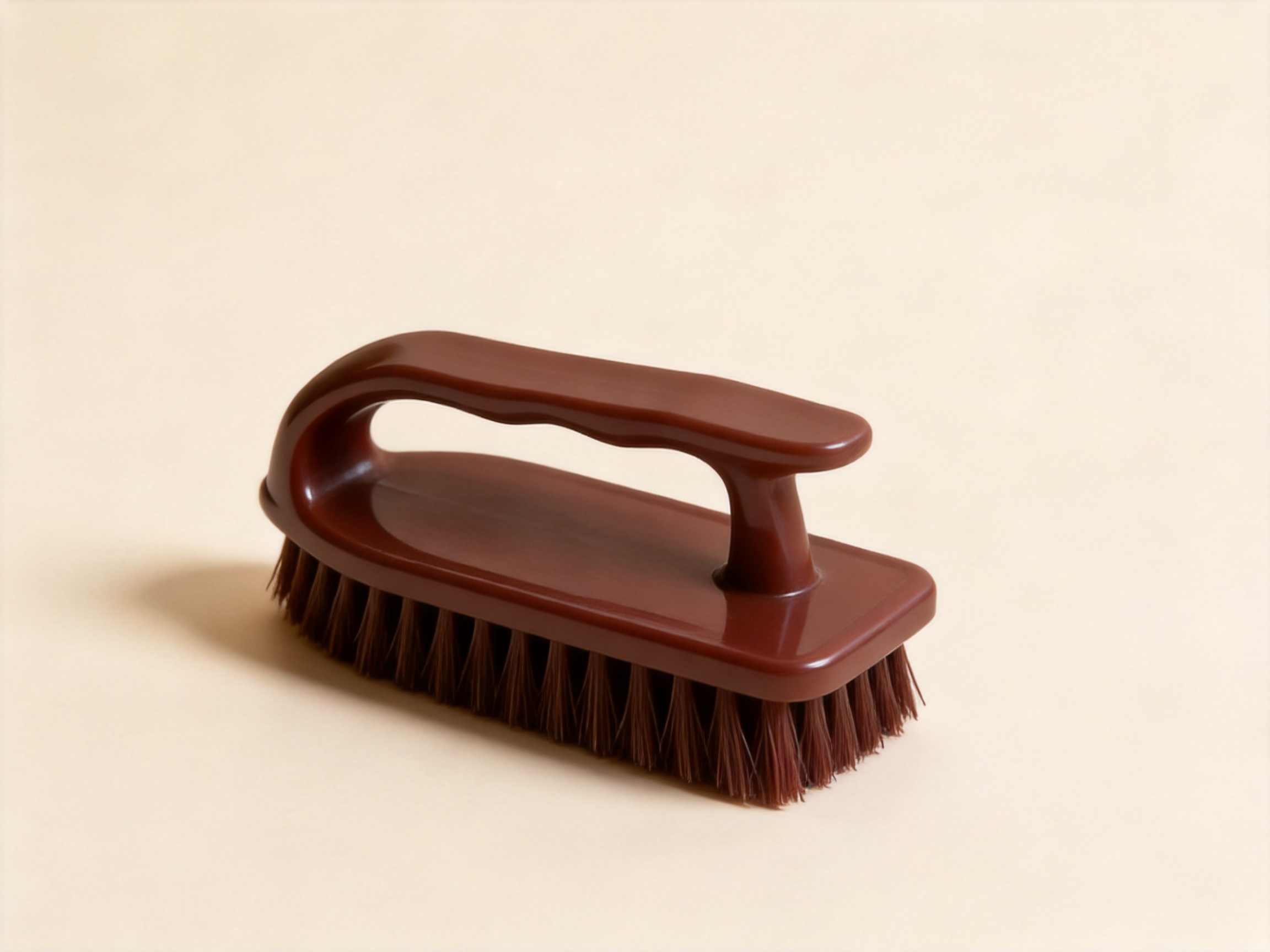
The Solid Brown Plastic Clothing Brush for Home is designed around this basic need: simple, durable, consistent garment care. Its solid brown plastic body creates a clean and uniform appearance without decorative patterns, unnecessary frills, or complicated components. The straightforward structure supports easy handling, efficient production, convenient storage, and broad suitability for different sales channels.
Made from durable plastic, the brush is intended to resist breaking during ordinary daily use. Its colorfast brown finish helps maintain a consistent appearance even when the item is handled frequently. These characteristics position the product as a practical alternative to fragile, overly decorative, or poorly finished clothing brushes that may not withstand routine household use.
For wholesale buyers, importers, supermarket purchasers, homeware distributors, and e-commerce sellers, the product also offers an efficient bulk-packing profile. The listed carton quantity is 144 pieces, with a carton length of 53, carton width of 31, carton height of 48, gross weight of 15, and volume of 0.079. These logistics details help buyers plan warehouse space, transportation, inventory turnover, and product allocation.
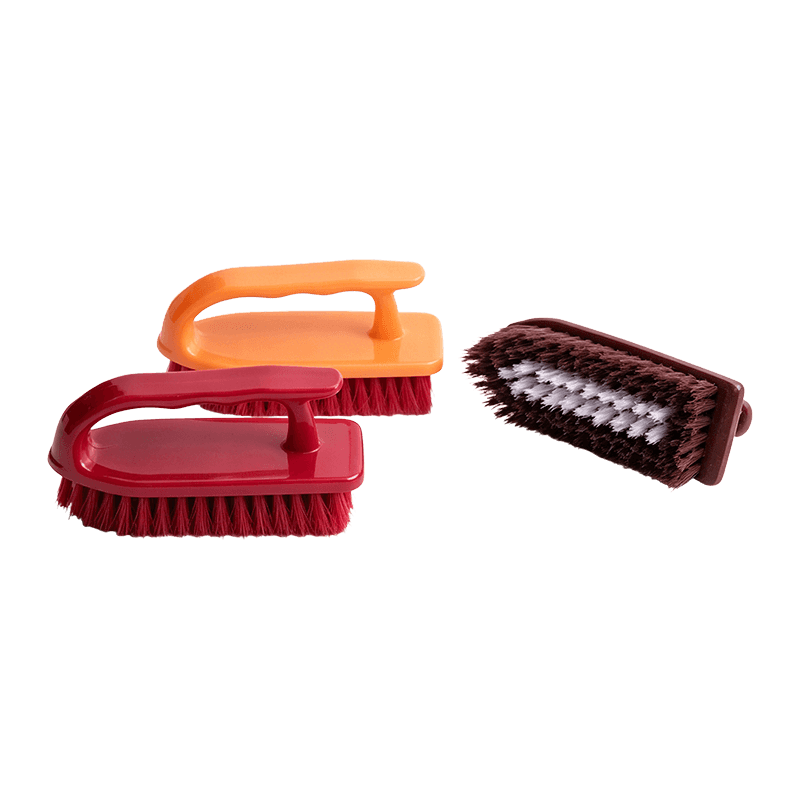
Solid Brown Plastic Clothing Brush for Home
Product Overview and Intended Use
The Solid Brown Plastic Clothing Brush belongs to the clothing brush category and is intended for routine surface cleaning of garments and fabric items. It can help freshen clothing between washes by lifting loose particles from jackets, trousers, coats, uniforms, skirts, sweaters, and other fabric products. It is particularly useful when a garment is clean but has accumulated dust, lint, or hair on the outer surface.
The product is built around a solid plastic construction. This construction creates a stable body that can be held comfortably while the user moves the brush across a garment. A solid form also avoids the maintenance concerns associated with fabric-covered handles, thin wooden sections, or loosely attached decorative components. For a basic household tool, structural simplicity is a valuable feature because fewer unnecessary parts can mean fewer potential failure points.
The brown color gives the item a restrained, practical appearance. It does not rely on complex graphics or patterns to attract attention. This makes the brush suitable for private-label packaging, utility-focused product ranges, institutional supply programs, and retail assortments where a neutral or traditional color is preferred.
The brush may be used in bedrooms, wardrobes, laundry areas, entryways, hotels, offices, dressing rooms, uniform rooms, and retail stockrooms. Its applications are not limited to one type of user. A household may use it before work or social occasions, while a hotel may keep it in a guest room or housekeeping supply cabinet. A clothing shop may use it to prepare garments for display, and a workshop or facility may use it to remove light surface debris from workwear.
Why a Clothing Brush Remains Useful
Regular washing is not always the best or most convenient response to light surface contamination. Washing a garment too frequently may increase wear, consume water and energy, and shorten the useful life of some fabrics. A clothing brush offers a quick intermediate-care step. By removing loose particles from the outer layer, it can help a garment look fresher without requiring a complete laundering cycle every time.
Clothing brushes are also useful when speed matters. A person preparing for work may not have time to wash or dry a garment that only has a small amount of visible lint. A brush can be stored near a wardrobe and used in moments. The same benefit applies in hospitality, retail, and uniform management, where garments must often be prepared quickly between uses.
Compared with adhesive lint rollers, a reusable brush does not depend on a continuous supply of replacement sheets. This can reduce recurring accessory purchases and avoid the disposal of used adhesive paper. Compared with improvised cleaning methods, such as shaking a garment outdoors or wiping it with a damp cloth, a dedicated clothing brush provides a more controlled and repeatable process.
The product is also useful as part of a broader garment-care routine. Users can brush a garment before storage, after removing it from a closet, before packing it in luggage, or before presenting it to a customer. In each case, the tool supports a cleaner visual appearance with minimal preparation.
Solid Plastic Construction and Daily Durability
Durability is one of the most important considerations when comparing household cleaning tools. A clothing brush may be used repeatedly, placed in drawers, carried in luggage, or handled by different members of a household. If the body cracks easily, the brush loses much of its value even if its cleaning surface remains functional.
The solid plastic construction of this product is intended to provide a reliable foundation for regular use. Plastic is well suited to this type of tool because it can be molded into a consistent shape, cleaned easily, and produced with stable dimensions. A properly manufactured plastic body also avoids the swelling, splintering, and moisture-related concerns that can affect some untreated wood products.
Resistance to breaking is especially relevant for distribution and retail operations. Products experience handling before they reach the end user. They may be packed into cartons, moved through warehouses, loaded onto vehicles, placed on retail shelves, and shipped through parcel networks. A robust plastic body can help the item remain presentable throughout these stages when normal handling conditions are observed.
Durability should not be understood as a promise that the brush cannot be damaged under extreme force. Instead, it means the product is designed for the normal demands of repeated household and commercial use. Buyers can communicate this practical positioning to customers: the brush is a reusable everyday tool made to offer dependable performance without an unnecessarily complicated design.
Colorfast Brown Finish
The brown color is an important part of the product’s visual identity. It gives the brush a warm, traditional, and understated appearance. Because the body is solid brown rather than covered with a busy pattern, the product can fit naturally into many interior environments, including bedrooms, closets, laundry rooms, hotel rooms, and staff areas.
Colorfastness supports long-term presentation. A product that quickly loses its original color may appear aged or poorly maintained even when it remains functional. The stated colorfast feature helps the brush maintain a uniform appearance during daily use. This is beneficial for both consumers and professional buyers who want their cleaning accessories to retain a consistent visual standard.
A stable color also supports merchandising. Retailers can group the brush with household cleaning products, garment-care accessories, storage solutions, or general homeware. Its neutral brown tone does not conflict strongly with common packaging colors, making it suitable for a range of packaging concepts and product collections.
For institutional users, a consistent appearance can also contribute to orderly supply management. A hotel, laundry service, or uniform department can identify the product easily in a storage area. The absence of elaborate surface decoration helps emphasize function and makes the item appropriate for practical environments.
Advantages Over More Fragile or Overdesigned Alternatives
The clothing brush market includes products with different materials, construction methods, and decorative approaches. Some competing options may use thin plastic sections, weak joints, exposed fabric, unfinished wood, or multiple decorative parts. These features are not automatically negative, but they may introduce additional concerns depending on the intended application.
The solid design of this brown plastic brush offers a clear alternative to products that prioritize decoration over utility. It provides a clean appearance while keeping the product focused on its primary task. Buyers seeking a reliable basic brush may prefer this design because it is easier to explain, easier to display, and less dependent on visual trends.
Compared with a fragile brush body, durable plastic can provide better resistance to ordinary impacts and handling. Compared with a brush made from moisture-sensitive materials, plastic is easier to wipe and less vulnerable to many common household conditions. Compared with a product with multiple attached ornaments, a simpler form can be easier to inspect, package, and maintain.
The product’s advantages are therefore practical rather than exaggerated. It does not need electronic features, replaceable batteries, complex mechanisms, or elaborate styling. Its value comes from reliable material selection, a straightforward structure, consistent appearance, and suitability for repeat use.
Advantages for Household Consumers
For individual households, convenience is a major benefit. The brush can remain in a wardrobe, near a laundry basket, or beside an entrance where it is available when needed. Its solid body is easy to grasp, and its simple appearance allows it to blend into the home without appearing out of place.
Household users can use the brush as part of a short daily routine. Before leaving home, they may inspect a garment and brush away visible lint or hair. After returning, they may remove surface dust before placing the item back in a closet. These small habits can help garments appear better cared for and may reduce unnecessary washing for minor surface debris.
The brush is also practical for families. Children’s clothing, school uniforms, coats, and sportswear can collect dust and fibers during ordinary activities. Keeping a reusable brush in a central location gives family members a quick tool for basic garment maintenance.
Advantages for Hotels and Hospitality Operations
Hotels and other accommodation providers regularly seek compact, dependable accessories that support guest comfort. A clothing brush can be placed in a guest room, dressing area, laundry room, or housekeeping cart. Its neutral brown appearance is suitable for traditional, modern, and functional interior styles.
Housekeeping personnel may use the brush to prepare uniforms, remove loose particles from soft furnishings where appropriate, or refresh garments used by staff. The durable plastic construction can be advantageous in environments where products are handled frequently and must be returned to service quickly.
For hotel procurement teams, consistency is important. A standardized brush can be purchased in volume and distributed across multiple rooms or departments. The 144-piece carton quantity supports larger replenishment programs, while the documented carton dimensions and weight help with delivery planning.
Advantages for Clothing Retailers
Retail clothing stores can use clothing brushes to prepare display garments, remove light dust from merchandise, and maintain a polished presentation on the sales floor. A brush can also be included in a garment-care accessory section or sold as an add-on item alongside clothing, wardrobes, storage products, and laundry supplies.
The solid brown design is easy to position as a utility product. It can appeal to customers who value function, traditional styling, and long-term reuse. Retailers may present it as a simple solution for maintaining coats, uniforms, trousers, and other fabric items between cleaning cycles.
Because the product does not depend on a highly seasonal design, it can remain relevant across the year. This may help retailers maintain steady demand rather than limiting sales to a short promotional period.
Advantages for Industrial and Institutional Buyers
Industrial workplaces, schools, care facilities, property-management companies, and service organizations may require basic cleaning tools in quantity. A clothing brush can support uniform rooms, staff changing areas, reception wardrobes, costume departments, and maintenance operations.
Institutional buyers often prioritize durability, straightforward use, stable supply, and reasonable logistics. A solid plastic brush addresses these priorities with a construction that is easy to understand and a packing format suitable for bulk purchasing. It can be included in procurement lists alongside brooms, general cleaning brushes, plastic storage products, and other maintenance supplies.
Manufacturing Strengths Behind the Product
The product is supplied by Jinhua Jieqing Plastic Co., Ltd., an industry and trade enterprise founded in 2008 and specializing in the research, development, production, and sales of cleaning supplies. Its product scope includes brooms, cleaning brushes, household and industrial brushes, and supporting plastic products.
This combination of research and development, manufacturing, and sales creates a connected supply structure. Instead of treating product design, production, and market service as completely separate activities, the company can use experience across these areas to understand buyer requirements and develop practical cleaning products.
The company operates its own production base and maintains a complete supply chain. These capabilities are important for buyers who need more than a single shipment. A stable production foundation can support repeat orders, product consistency, packaging coordination, and communication about future requirements.
Standardized production processes are another stated strength. Standardization helps reduce unnecessary variation between production batches. For a product such as a plastic clothing brush, consistent molding, finishing, color, packing, and inspection are essential to maintaining a dependable commercial product.
Stable quality control supports the same objective. Quality control may include checks of material appearance, product structure, color consistency, surface condition, packing quantities, and carton information. While each buyer may define its own inspection criteria, a standardized internal approach provides a foundation for meeting normal wholesale expectations.
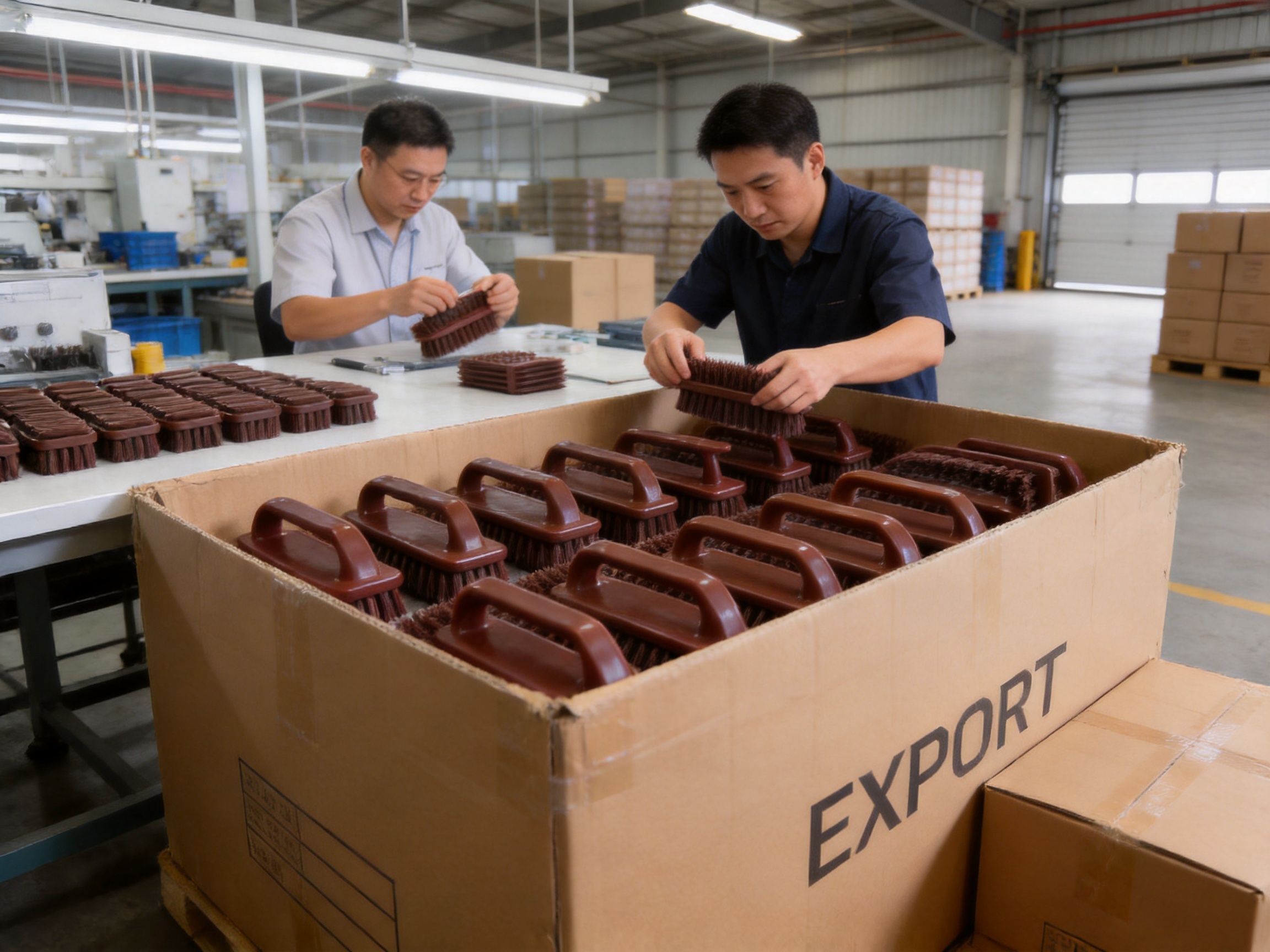
The company also has extensive export experience. Export-oriented production requires attention to product documentation, carton packing, shipping coordination, communication across markets, and the practical requirements of international buyers. This experience can make the purchasing process more efficient for importers, distributors, and cross-border e-commerce operators.

From Product Concept to Molded Plastic Article
A reliable plastic cleaning tool begins with a clear product concept. In this case, the concept is a simple clothing brush that offers a clean appearance, durable plastic construction, and suitability for everyday use. A focused concept helps prevent unnecessary features that could raise cost, complicate production, or create additional failure points.
Product development typically considers the intended hand position, overall proportions, material requirements, surface appearance, and expected use conditions. The goal is to convert a basic cleaning need into a form that can be produced consistently and handled comfortably.
After design considerations are established, tooling and molding become important. Plastic molding allows manufacturers to produce repeated units with similar dimensions and a consistent body shape. Stable tooling supports predictable assembly and packing, while an appropriate material formulation contributes to the desired balance between strength, appearance, and production efficiency.
During production, attention to molding conditions can influence the quality of the finished item. Temperature, pressure, cooling, cycle timing, and material handling all affect the appearance and structural integrity of molded plastic. Standardized processes help operators and production teams maintain repeatable results.
Finishing is also relevant. A product intended to have a solid brown appearance should maintain a uniform color and a clean surface. Proper handling after molding can help limit scratches, discoloration, contamination, and other appearance issues before the goods are packed.
Quality Control Considerations
Quality control for a clothing brush should address both function and presentation. A structurally sound product that has an uneven color or damaged surface may be less suitable for retail sale. Similarly, a visually attractive item that breaks easily would not provide satisfactory long-term value.
Inspection can begin with incoming material and production preparation. The manufacturer may verify that the selected plastic and color formulation are appropriate for the product specification. During molding, samples can be checked for shape, surface quality, and visible defects. Finished units can then be reviewed before packing.
Important visual checks may include color uniformity, clean molding lines, absence of major cracks, stable body construction, and proper attachment of the cleaning section. Packaging checks may include unit count, carton labeling, carton condition, and protection against compression or abrasion during transport.
For bulk buyers, the listed logistics data provides a useful starting point for purchase planning. The item number is 3328 Brown. The carton quantity is 144 pieces. The carton dimensions are listed as 53 by 31 by 48, with a gross weight of 15 and a volume of 0.079. Buyers should confirm the applicable measurement units and shipping conventions with the supplier before final booking.
| Specification | Listed Information | Purchasing Relevance |
|---|---|---|
| Item number | 3328 Brown | Supports product identification and order communication |
| Product category | Clothing Brush | Suitable for garment-care and household-cleaning assortments |
| Material description | Durable plastic | Supports repeated everyday handling |
| Color | Solid brown | Provides a uniform, understated appearance |
| Carton quantity | 144 pieces | Useful for bulk purchasing and stock planning |
| Carton length | 53 | Used for transport and warehouse calculations |
| Carton width | 31 | Used for storage and pallet planning |
| Carton height | 48 | Supports shipment-volume estimates |
| Gross weight | 15 | Useful for freight and handling calculations |
| Volume | 0.079 | Supports container and warehouse planning |
Packaging and Bulk Distribution Benefits
Packaging is part of product performance in the wholesale market. A clothing brush may be simple for the end user, but it must still move through several logistical stages before purchase. Efficient carton packing helps protect the units, organize inventory, and simplify receiving procedures.
A carton quantity of 144 pieces is suitable for distributors and retailers that need meaningful stock without ordering extremely large numbers of individual cartons. Depending on the buyer’s sales volume, one carton may be allocated among several stores, used for a promotional program, or held as warehouse inventory.
The carton dimensions and volume allow purchasing teams to estimate how many cartons can fit within a storage area or shipping arrangement. Gross weight supports freight quotations and helps warehouse personnel prepare suitable handling procedures. These details are especially important in cross-border trade, where small differences in carton planning can influence total landed cost.
Retailers and importers should confirm whether individual units require additional packaging, labels, barcode application, or customized inserts. The manufacturer’s customization capability can help buyers discuss packaging requirements based on customer drawings, samples, or market-specific instructions.
Customization and Private-Label Potential
The company offers customization based on customer drawings and samples. This creates opportunities for buyers who need adjustments to product appearance, packaging, color, labeling, or related plastic components. Customization should be reviewed in detail because feasibility depends on tooling, material, order quantity, packaging requirements, and production timing.
A buyer may request a specific shade, retail package, carton mark, instruction sheet, or private-label presentation. In some cases, customers may also be developing a coordinated range of household brushes and want the clothing brush to match other products in color or visual style.
The solid brown version provides a ready starting point for buyers who prefer a traditional appearance. At the same time, the company’s development and production capabilities may support discussions about alternate requirements. Drawings and physical samples can help clarify dimensions, surface expectations, packaging details, and quality standards before a production order is confirmed.
Customization is most effective when both parties establish clear specifications at the beginning. Buyers should identify target markets, sales channels, packaging laws, labeling needs, carton markings, inspection procedures, and delivery expectations. Clear information reduces misunderstandings and helps the production team prepare an appropriate plan.
Cleaning Performance in Everyday Garment Care
A clothing brush is designed for surface-level cleaning rather than deep stain removal. Its role is to lift or dislodge loose particles that sit on the exterior of a garment. This includes household dust, lint, loose fibers, hair, and other light debris. The user should move the brush in a controlled direction over the fabric and repeat the motion as needed.
Different fabrics may respond differently to brushing. Users should apply suitable pressure and avoid aggressive scrubbing on delicate surfaces. For valuable, fragile, or specialty garments, the care label and fabric manufacturer’s recommendations should be followed. Testing on a small, inconspicuous area may also be sensible when the fabric is unfamiliar.
For ordinary garments, the brush can be part of a simple sequence. First, place the garment on a stable surface or hanger. Next, inspect the most visible areas, such as shoulders, sleeves, lapels, trouser legs, and pockets. Then brush away loose material using smooth strokes. Finally, inspect the garment again and store or wear it as appropriate.
The product’s value is linked to repeatability. Users do not need to prepare a machine, apply a liquid, or replace a disposable sheet. The brush is ready for use whenever it is stored in an accessible location.
Care, Storage, and Responsible Use
Proper care can help preserve the appearance and usefulness of the brush. After use, the user should remove collected lint and debris from the brush surface. If cleaning is needed, the plastic body can generally be wiped with a suitable cloth. The brush should be allowed to dry if it becomes wet, and it should be stored away from excessive heat or direct conditions that could affect plastic over time.
The brush should be used for its intended purpose. It is not a replacement for a laundry brush designed for heavy-duty scrubbing, a stain-removal tool, or a specialized textile-care instrument. Customers should follow normal fabric-care practices and use appropriate caution around delicate materials.
Retail packaging can communicate these basic use recommendations clearly. Simple instructions may help customers understand that the brush is intended for removing loose surface particles from garments and that gentle handling is recommended for sensitive fabrics.
Responsible use also supports product longevity. A reusable tool delivers more value when it is kept clean, stored properly, and used according to its intended function. For commercial users, assigning the brush to garment care rather than general abrasive cleaning can help maintain its condition.
Suitable Sales Channels
The product can be positioned through several sales channels. Supermarkets may place it in household cleaning, laundry, home organization, or garment-care sections. Homeware stores can include it with clothing accessories, storage items, and laundry products. Hardware and general merchandise retailers may present it as a basic household maintenance tool.
Online sellers can list the brush under household cleaning supplies, clothing care, wardrobe accessories, or reusable cleaning tools. Clear descriptions should emphasize the solid brown plastic construction, durable everyday design, simple appearance, and intended use for removing loose lint and dust from clothing.
Distributors serving hotels, laundries, schools, offices, and facility-management companies can offer the brush as part of a broader cleaning-supply catalog. Because the manufacturer also produces household and industrial brushes, buyers may explore coordinated purchasing across multiple product categories.
Promotional bundles may also be possible. A retailer could combine the clothing brush with garment storage bags, laundry baskets, hangers, lint-removal accessories, or general household cleaning products. The brush’s practical design makes it suitable for both standalone sale and inclusion in a broader home-care assortment.
Merchandising and Product Positioning
Effective merchandising should present the brush as a reliable, reusable solution for quick garment maintenance. The product should not be positioned as a luxury fashion accessory unless the packaging and market strategy support that message. Its strongest appeal is functional value: a durable plastic body, a clean solid color, and a convenient way to refresh clothing surfaces.
Retailers may highlight common use occasions. These include preparing workwear before leaving home, removing pet hair or lint from outer garments, refreshing a coat after storage, preparing uniforms for a shift, and maintaining garments on a retail display.
The brown color can be used in a calm, traditional visual presentation. Packaging may use neutral backgrounds, clear product photography, or household-care imagery without making unsupported technical claims. Buyers should ensure that all marketing language accurately reflects the product specification.
For business customers, sales materials can include the item number, carton quantity, dimensions, weight, volume, customization availability, and production capabilities. These details help purchasing staff evaluate the item not only as a consumer product but also as a manageable wholesale program.
Comparison with Disposable Lint-Removal Products
Disposable lint rollers and similar products have their own advantages, especially for users who prefer adhesive pickup. However, their operating model depends on replacement sheets or cartridges. Over time, this may create recurring costs and additional waste. A reusable clothing brush provides a different value proposition by offering a ready-to-use tool that does not require a consumable roll for every cleaning session.
The plastic clothing brush may also be easier to keep available in a wardrobe or utility drawer. There is no need to check whether a replacement roll is attached or whether spare sheets remain. This simplicity can be valuable in households, hotels, and workplaces that want basic garment care with fewer consumables.
The choice between a brush and a disposable roller depends on fabric type, user preference, and the nature of the debris. The solid brown plastic brush is best presented as a reusable option for everyday surface maintenance rather than as a universal replacement for every lint-removal method.
Comparison with Decorative Clothing Brushes
Decorative clothing brushes may appeal to buyers seeking a particular visual style, but decoration can increase complexity. Patterns, coatings, separate trim pieces, or ornamental handles may add production steps and create additional surfaces that can wear, detach, or become difficult to clean.
The solid brown design takes a more restrained approach. Its appearance is clean and uniform, which can support long-term retail relevance and easier integration into different product collections. It is particularly appropriate for buyers who want a practical item that communicates utility immediately.
The absence of unnecessary frills may also simplify quality inspection and reduce confusion in product descriptions. Buyers can focus on the key selling points: plastic durability, color consistency, reusable use, and household suitability.
Comparison with Less Consistent Plastic Products
Not all plastic cleaning tools provide the same level of manufacturing consistency. Variations in molding, color, surface finish, and structural strength can affect customer satisfaction. A supplier with standardized processes, a production base, and quality-control practices is better positioned to support consistent wholesale supply than an unstructured source with limited production oversight.
The company’s experience in cleaning supplies and supporting plastic products provides relevant industry knowledge. Its own production base and supply chain can help coordinate the requirements of product development, manufacturing, inspection, packing, and export. For buyers, this integrated approach can reduce the need to manage several unrelated vendors.
Consistency is especially important for repeat orders. Retailers may expect later shipments to match the appearance and specifications of earlier stock. While every order should be confirmed against an agreed specification, a standardized manufacturing system provides an important foundation for maintaining continuity.
Procurement Guidance for Wholesale Buyers
Before placing an order, buyers should confirm the product specification, color, unit presentation, carton quantity, carton dimensions, gross weight, and volume. The item number, 3328 Brown, should be included in purchase documents to reduce the risk of confusion with other brush models or colors.
Buyers should also clarify the intended market. A supermarket program may require retail-ready packaging and barcode information, while an industrial distributor may prefer bulk packing. An online seller may need individual product images, dimensions, and packaging details for listing preparation.
Quality expectations should be documented. Buyers may specify acceptable color variation, surface finish, structural condition, packaging tolerance, inspection method, and sample-approval procedures. If customization is requested, drawings or physical samples should be shared early enough for evaluation.
Shipping planning should account for the full carton profile. The listed volume of 0.079 and gross weight of 15 can be used for initial estimates, but final freight calculations should be confirmed with the supplier and logistics provider. Measurement units should also be verified before booking transportation.
Importers should review the labeling, packaging, and consumer-information requirements applicable to their destination market. Any claims about materials, durability, environmental performance, or intended use should be checked against the final specification and local regulations.
Role of Research and Development
Research and development is valuable even for simple household products. A clothing brush must balance material selection, shape, handling, surface performance, appearance, production efficiency, and cost. Small changes to geometry or material can affect comfort, durability, packing efficiency, and customer perception.
The company’s focus on research and development allows it to support product improvement and customized solutions. Customer drawings and samples can provide practical input from different markets. This information may reveal preferences relating to color, packaging, product size, handle shape, or coordinated product ranges.
Development work also helps connect the product with changing market needs. Buyers may seek more compact packaging, a particular retail presentation, an alternative color, or a coordinated collection of household tools. A manufacturer with both development and production capabilities can evaluate these needs within the context of actual manufacturing.
One-Stop Supply for Cleaning Products
Jinhua Jieqing Plastic Co., Ltd. provides more than a single clothing brush model. Its product range includes brooms, cleaning brushes, household and industrial brushes, and supporting plastic products. This broader range can be useful for buyers seeking to consolidate procurement.
Working with one experienced supplier for several related products may simplify communication, sampling, packaging coordination, quality procedures, and shipping arrangements. It may also help distributors create a more coherent product assortment for supermarkets, online marketplaces, cleaning-service customers, and institutional purchasers.
A one-stop supply relationship does not eliminate the need for product-specific evaluation. Each item should still be reviewed according to its intended use and agreed specification. However, a broad product range can create opportunities for efficient sourcing and future development.
The company’s flexible customization services further support this model. Buyers with customer drawings, reference samples, or special packaging concepts can discuss how those requirements may be applied across a wider family of cleaning products.
Export Experience and International Orders
International buyers often require a supplier that understands the practical details of export business. These details include clear product identification, carton data, packing arrangements, order communication, production scheduling, inspection coordination, and shipment preparation.
The company’s extensive export experience is relevant to importers and cross-border e-commerce businesses. Its production and trade structure enables it to address both manufacturing and commercial communication. This can be helpful when a buyer must coordinate product specifications with sales plans, warehouse requirements, and international delivery schedules.
Export buyers should still establish all terms clearly. They should confirm the agreed product sample, packaging artwork, carton marks, shipping terms, payment arrangements, lead time, inspection process, and documentation. Clear order management benefits both supplier and buyer, particularly when the order includes customization.
For repeat programs, buyers can maintain an approved specification file containing product photographs, color references, carton information, packaging layouts, and quality requirements. This supports more efficient communication during future orders.
Practical Content for Retail Product Listings
A strong retail listing should describe the product accurately and directly. It may state that the item is a solid brown plastic clothing brush designed for everyday garment care. It can explain that the brush helps remove loose lint, dust, hair, and surface debris from clothing and fabric items.
The listing can also mention that the product has a simple, uniform appearance without patterns or decorative frills. The durable plastic construction and colorfast brown finish are relevant benefits for customers who want a reusable household tool with a stable appearance.
Retailers should avoid describing the brush as a stain remover, deep-cleaning device, or substitute for professional garment care unless the product has been specifically tested and approved for those claims. Accurate wording builds customer trust and reduces returns caused by unrealistic expectations.
For wholesale listings, the description should include the item number, carton quantity, and available logistics data. Buyers may also want information about customization, production capabilities, and related cleaning products supplied by the manufacturer.
Environmental and Reuse Considerations
A reusable clothing brush can support a lower-consumable approach to everyday garment maintenance. Unlike disposable lint-removal sheets, it is designed to be used repeatedly. The practical environmental benefit depends on how long the item remains in service, how it is maintained, and how it is handled at the end of its useful life.
Retailers should communicate reuse accurately without making broad environmental claims that are not supported by a formal assessment. The strongest factual point is that the product is intended for repeated use and does not require adhesive replacement sheets for ordinary operation.
Users can extend the service life of the brush by storing it properly, keeping the cleaning surface free from accumulated debris, and avoiding misuse. Longer use can improve the value obtained from the product and reduce the frequency of replacement.
Why Simple Design Can Improve Commercial Value
Simple design often supports more than visual minimalism. It can make a product easier to manufacture, inspect, explain, package, store, and use. The Solid Brown Plastic Clothing Brush reflects this principle by concentrating on essential functions instead of adding features that may not improve garment care.
For manufacturers, a focused design can support stable production cycles and predictable material usage. For distributors, it can make inventory easier to classify. For retailers, it can reduce the amount of explanation required at the point of sale. For consumers, it can provide an intuitive tool that requires little instruction.
The product’s commercial value therefore comes from the combination of design discipline and manufacturing capability. A simple brush is not automatically a reliable brush, but a simple design produced through standardized processes can provide a strong foundation for dependable everyday performance.
Recommended Customer Profiles
The product is suitable for consumers who want a basic reusable tool for clothing maintenance. It is also suitable for households that prefer to keep cleaning accessories organized and available near wardrobes, laundry areas, or entrances.
It can serve hotel groups, guesthouses, hostels, dormitories, uniform departments, laundries, clothing retailers, schools, offices, property managers, and general cleaning-supply distributors. The product’s broad application makes it adaptable to different procurement programs.
Importers and private-label buyers may find the product attractive when they need a stable plastic clothing brush with a neutral appearance and an established manufacturing source. Buyers seeking a customized version can discuss drawings, samples, color requirements, and packaging plans with the supplier.
Frequently Asked Questions
What is the main purpose of this clothing brush?
The main purpose is to help remove loose lint, dust, hair, and other light surface debris from garments and fabric items. It is intended for routine garment care between or before laundering cycles.
What material is the brush made from?
The product is made from durable plastic. The plastic body is designed to support regular household and commercial handling while providing a consistent molded form.
What color is the product?
The listed version is solid brown. It has a clean, uniform appearance without patterns or decorative frills, and the color is intended to remain stable during daily use.
Is the brush reusable?
Yes. It is designed as a reusable household tool. Users can clean the brush surface after use and store it for future garment-care tasks.
Can it replace washing a garment?
No. The brush is intended for loose surface debris, not deep stains, odors, or full garment cleaning. It can be used as a convenient maintenance step between washing cycles.
Can it be used on delicate fabrics?
Users should follow the garment-care label and apply gentle pressure. For delicate or valuable fabrics, testing on an inconspicuous area is recommended before wider use.
Is the product suitable for hotels and institutions?
Yes. Its simple appearance, durable plastic construction, and bulk carton quantity make it suitable for hotels, guesthouses, schools, offices, uniform rooms, and other institutional settings.
What is the carton quantity?
The listed carton quantity is 144 pieces. Buyers should confirm the final packing arrangement when discussing a specific order or customized package.
What is the item number?
The listed item number is 3328 Brown. Buyers should use this reference when requesting quotations, samples, purchase orders, and shipping documents.
What are the listed carton dimensions?
The listed carton length is 53, width is 31, and height is 48. The measurement units should be confirmed with the supplier before final logistics planning.
What are the listed gross weight and volume?
The listed gross weight is 15 and the listed volume is 0.079. Buyers should confirm the applicable units and whether the data refers to the standard carton configuration.
Can the product be customized?
The company offers customization based on customer drawings and samples. Buyers should provide detailed requirements and confirm feasibility, minimum order quantity, tooling, packaging, and lead time.
Can buyers order related cleaning products from the same supplier?
Yes. The company supplies brooms, cleaning brushes, household and industrial brushes, and supporting plastic products. Buyers may discuss coordinated sourcing for a broader cleaning-supply assortment.
What makes this product different from a decorative brush?
The product emphasizes practical function, solid brown plastic construction, consistent appearance, and everyday durability rather than elaborate patterns or unnecessary decoration.
What should wholesalers confirm before ordering?
Wholesalers should confirm the approved sample, material, color, packaging, carton quantity, dimensions, weight, volume, inspection requirements, customization details, delivery schedule, and shipping terms.
Conclusion
The Solid Brown Plastic Clothing Brush for Home is a practical garment-care product built around durability, simplicity, and repeat use. Its solid brown plastic construction provides a clean and uniform appearance, while the durable material is intended to resist breaking during normal daily handling. The colorfast finish supports long-term visual consistency, and the straightforward design makes the brush suitable for a broad range of users and sales channels.
Compared with fragile, overly decorative, or disposable alternatives, the product offers a focused value proposition. It is reusable, easy to understand, simple to store, and suitable for households, hotels, retailers, institutions, and commercial cleaning programs. Its carton quantity of 144 pieces and documented logistics information also support efficient wholesale planning.
The manufacturing capabilities of Jinhua Jieqing Plastic Co., Ltd. add further value. Founded in 2008, the company combines research and development, production, sales, its own production base, a complete supply chain, standardized processes, quality control, export experience, and customization services. These strengths support reliable product development and one-stop sourcing for cleaning supplies and related plastic products.
For buyers seeking a dependable clothing brush with a practical appearance and scalable supply support, this product provides a strong starting point. Its design is uncomplicated, but its commercial potential is broad: everyday garment care, institutional supply, retail merchandising, private-label programs, and coordinated cleaning-product procurement.
References
Jinhua Jieqing Plastic Co., Ltd. Product specification for Item 3328 Brown Solid Plastic Clothing Brush.
Jinhua Jieqing Plastic Co., Ltd. Company information regarding research and development, manufacturing, supply chain, quality control, export experience, and customization services.
General household textile-care guidance concerning routine lint and surface-debris removal.
General wholesale logistics practices for carton quantity, gross weight, carton dimensions, and shipment-volume planning.
Product: Solid Brown Plastic Clothing Brush for Home

 CONTACT US
- CONTACT DETAILS
- Address : No. 1388 Cuntong Road, Jinhua City
- Tel: +86-0579-81534043
- Email:wangjinhua1@zjjqsj.com
- PRODUCTS
- Kitchen Cleaning Supplies
- Household Cleaning Supplies
- Indoor & Outdoor Cleaning Supplies
- Baby Products & Cleaning Supplies
- Home Storage Containers
- QUICK LINK
- Company Profile
- Plant equipment
- Certifications
- FAQ
- NEWS CENTER
- Company News
- Industry News
- MOBILE TERMINAL

