English
  русский
  Español
  عربى
عربى 
Handless Plastic Laundry Brush for Efficient Everyday Fabric Cleaning
Date:Oct 15, 2026
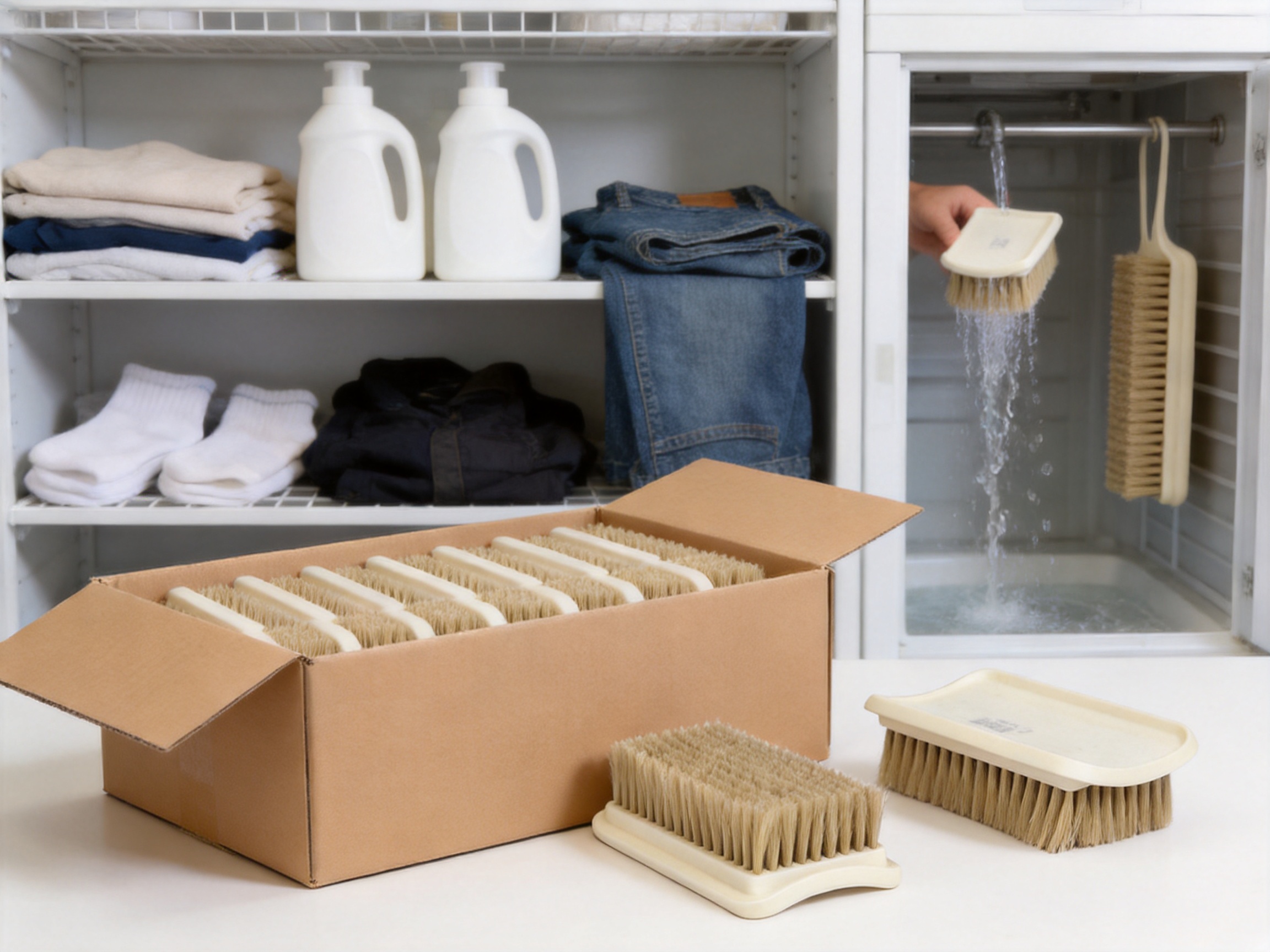
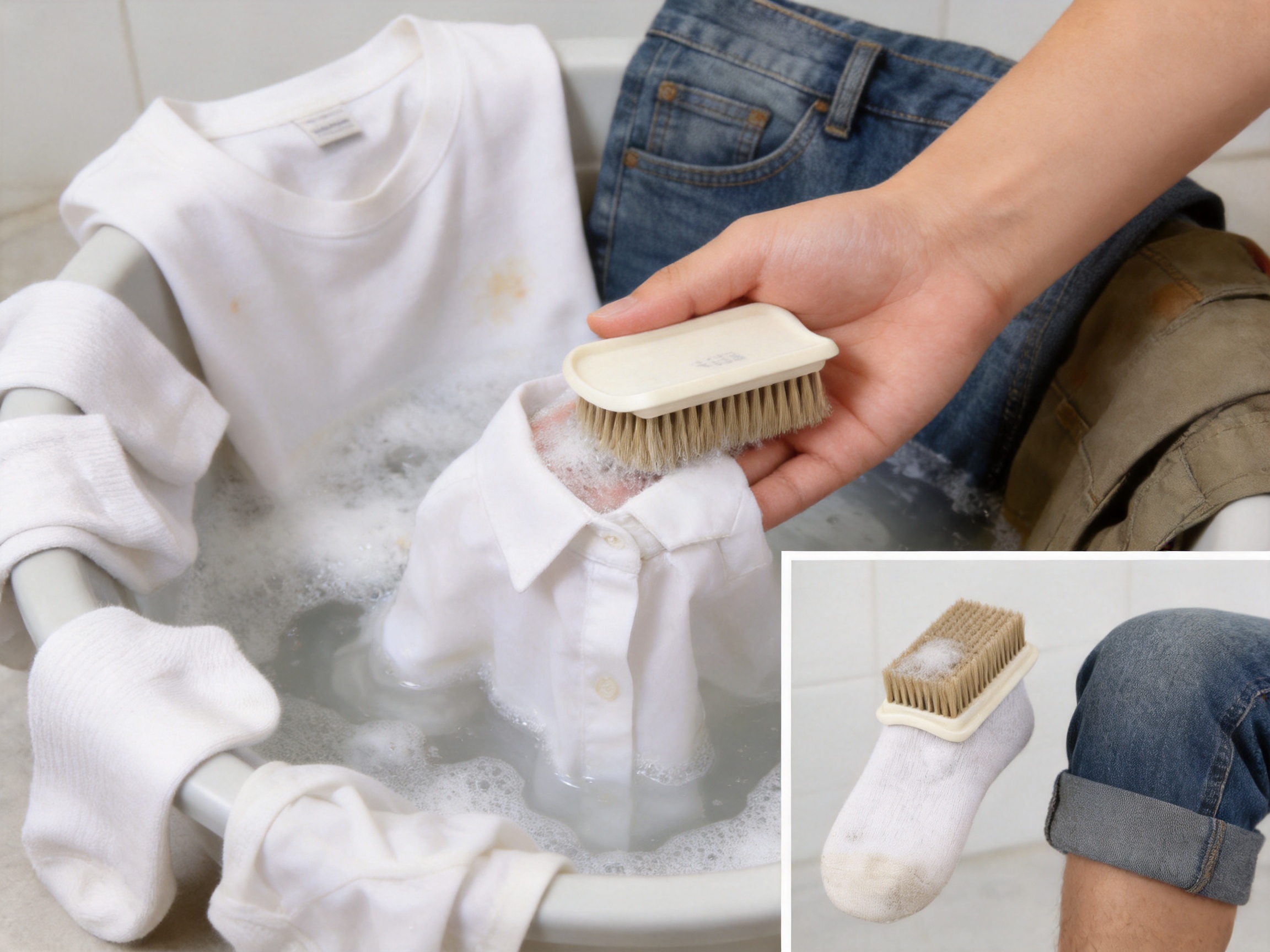
Cleaning clothes by hand remains an important part of household care, laundry preparation, travel washing, garment maintenance, and commercial textile handling. Even when a washing machine is available, certain areas often require focused scrubbing before or after a wash cycle. Collars, cuffs, sock soles, underwear, workwear, denim, knees, and food-stained sections may need direct attention that a machine cannot always provide. A suitable laundry brush can make this work faster, more controlled, and more consistent.
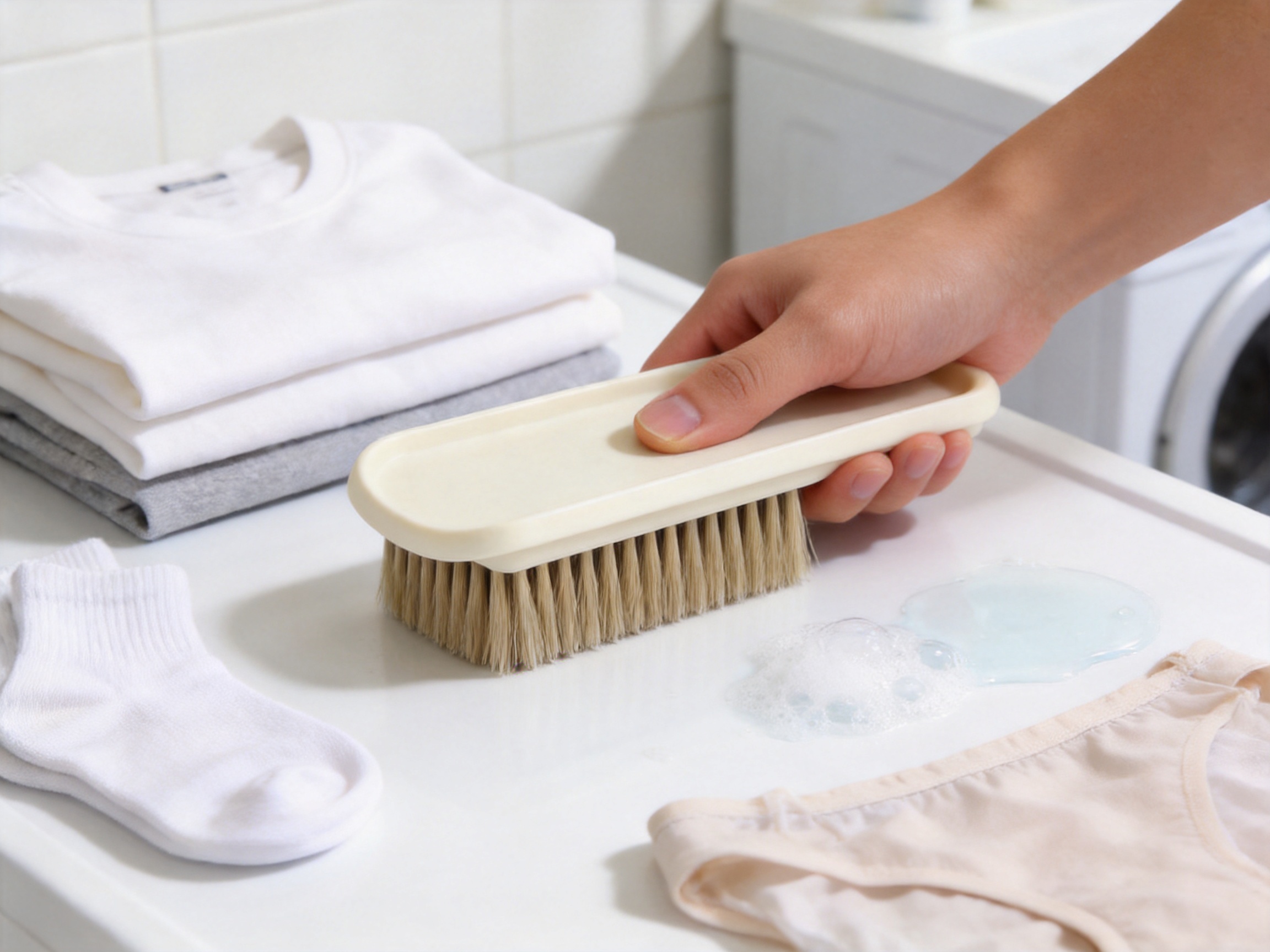
The Handless Plastic Laundry Brush for Washing Clothes is designed specifically for this type of practical cleaning. Instead of using a long or raised handle, the user grips the entire solid brush body directly in the palm. This compact structure creates a close connection between the hand, the brush, and the fabric. It allows pressure to be applied precisely while reducing unnecessary movement between the grip and the bristle surface.
Made from a single piece of durable, solid-color plastic, the brush is simple, compact, and easy to use. Its medium-stiff bristles provide enough cleaning force for common clothing soils without making the product excessively aggressive for everyday fabrics. The flat brush head covers a broad working area, while rounded edges help improve comfort when the user presses the brush against clothing.
This product is suitable for households, laundry areas, dormitories, hotels, cleaning service providers, supermarkets, importers, distributors, and other buyers seeking a practical clothing brush for bulk supply. Its uncomplicated structure also supports efficient production, straightforward inspection, economical packaging, and convenient distribution.
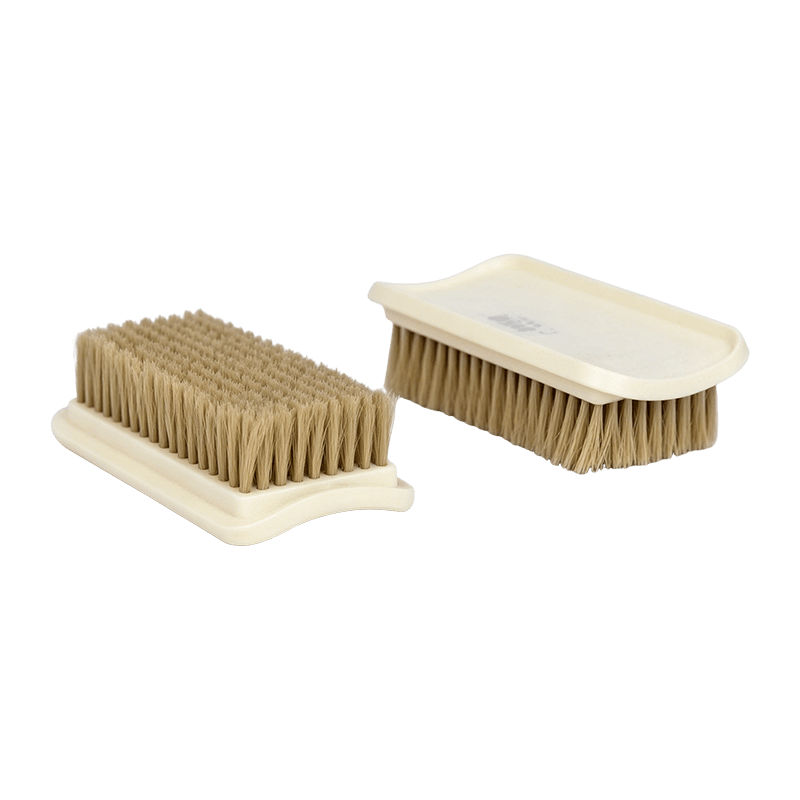
Handless Plastic Laundry Brush for Washing Clothes
Product Overview and Intended Use
A clothing brush is a focused cleaning tool used to loosen and remove dirt from textile surfaces. Unlike a general floor brush or dishwashing brush, a laundry brush must balance cleaning strength with fabric protection. It must be firm enough to work on dirt, sweat, food marks, and embedded particles, yet manageable enough for repeated contact with cotton, denim, socks, underwear, T-shirts, and work garments.
The Handless Plastic Laundry Brush addresses these requirements through a palm-grip design. The user holds the complete plastic body rather than a separate handle. This makes the product especially useful for short, concentrated scrubbing motions. The hand can move naturally over a stain, and the user can change the angle of the brush without having to manage a long handle.
The brush is intended for wet fabric cleaning. Clothing can be moistened with water and detergent before the brush is applied. The medium-stiff bristles then work across the textile surface to help release common household soils. The brush may be used on individual garments, selected stained areas, or small batches of hand-washed clothing.
Typical applications include removing dirt from sock heels and toes, cleaning sweat marks from collars, treating food spills on shirts, scrubbing cuffs, refreshing workwear, and working across durable denim. It can also be used during pre-treatment before machine washing. By concentrating effort on the most affected areas, consumers may reduce the need for repeated washing cycles or excessive detergent use.
The product is not presented as a specialized tool for every delicate textile. Very fine, fragile, loosely woven, or highly decorative garments should always be tested in an inconspicuous area first. The brush is best matched with fabrics and applications where controlled mechanical cleaning is appropriate.
Design Advantages of a Handless Structure
Direct Palm Control
The most distinctive feature of this clothing brush is the absence of a conventional handle. Many traditional laundry brushes use a raised grip or an extended shaft. Those forms can be useful for certain tasks, but they may also create distance between the user’s hand and the bristles. A handless brush places the hand directly over the cleaning surface, giving the user a close and responsive grip.
Direct palm control makes it easier to adjust pressure. Light pressure can be used on ordinary dirt, while firmer pressure can be applied to durable areas such as sock soles, denim, or workwear. The user can also make short strokes over a small stain rather than moving a long handle through a wide arc.
This control is valuable in household laundry because stains are often irregular. A mark may be located beside a seam, close to a button, or along a curved collar. The compact palm grip allows the brush to follow these areas with less interference from a protruding handle.
Compact Handling
A handle-free body is naturally compact. It takes up less visual and physical space in a laundry basin, utility cabinet, bathroom shelf, or storage container. The small form is convenient for apartments, dormitories, shared laundry rooms, travel kits, and family homes where storage space is limited.
Compact handling also supports easy transportation. Retailers and distributors can include the product in household cleaning assortments, laundry accessories, home storage packages, or seasonal cleaning promotions. End users can keep it near a sink, washing machine, laundry basket, or detergent storage area without needing a large dedicated storage location.
Stable Pressure Distribution
Because the brush body is held across the palm, pressure can be distributed over a broader area than with a narrow shaft. This may help reduce the feeling of a concentrated pressure point in the fingers during short cleaning tasks. The rounded outer edges further support a more comfortable grip when the user presses down on clothing.
Comfort is particularly relevant when hand washing several garments or treating multiple stained sections. A tool that is easy to grip encourages consistent use and allows the user to maintain a steady motion rather than relying on sudden, forceful strokes.
Flat Working Surface
The flat brush head is designed to make broad contact with fabric. A wide bristle area can cover more textile in each pass than a small pointed cleaning tool. This is useful when cleaning the front of a T-shirt, the leg of work trousers, or a larger section of denim.
At the same time, the flat form remains suitable for focused work. The user can position one side of the brush against a collar, cuff, knee, or other defined area. The combination of broad coverage and close control makes the product suitable for both general scrubbing and spot treatment.
Material and One-Piece Construction
The brush is molded from a single piece of durable, solid-color plastic. This construction supports a clean, uncomplicated appearance and avoids unnecessary joints between a handle, head, and separate grip components. A simpler body can be easier to hold, wash, inspect, and store.
One-piece molding also offers practical advantages in daily use. There are fewer visible connection points where moisture, detergent residue, lint, or dirt might collect. After use, the brush can be rinsed and placed in a ventilated area to dry. Its plastic body is suitable for the damp environment normally associated with laundry work.
The solid-color design gives buyers a consistent visual product suitable for retail presentation and organized bulk procurement. Color selection, packaging, labeling, and other commercial requirements can be discussed with the manufacturer for applicable orders. Since the company provides customization based on customer drawings and samples, buyers may be able to develop product or packaging variations according to their market strategy.
The plastic body also contributes to durability during ordinary household handling. It is not dependent on a wooden frame that may swell when repeatedly exposed to water, and it does not require a complicated metal mechanism. Its simple material system helps keep maintenance requirements low.
For distributors, construction simplicity can be an important purchasing factor. Products with fewer separate components may be easier to organize in warehouses, easier to explain to retail customers, and less complicated to include in cleaning product collections. For consumers, the benefit is straightforward: a brush that can be picked up, used, rinsed, and returned to storage without a complex operating procedure.
Bristle Performance for Common Laundry Soils
The bristles are described as medium-stiff. This level is intended to provide a balance between scrubbing performance and everyday fabric usability. Bristles that are too soft may struggle with dirt embedded in socks or workwear. Bristles that are too hard may feel harsh on clothing and may be unsuitable for many routine applications.
Medium-stiff bristles can help loosen sweat residue, soil, food marks, and other common contaminants when combined with water and an appropriate laundry detergent. Their effectiveness depends on the fabric, stain age, moisture level, detergent, and pressure applied by the user. The brush is a mechanical aid; it does not replace proper washing instructions or fabric-specific care.
On wet cotton socks, the brush can be used to work over the heel, toe, and sole where dirt often accumulates. On underwear and T-shirts, it can help target localized sweat or food marks. On denim and workwear, the bristles can provide the additional friction needed to release heavier surface dirt.
Collars and cuffs are especially suitable for controlled brush work. These areas commonly collect skin oils, perspiration, dust, cosmetics, and food residue. The user can apply detergent to the affected area, hold the fabric securely, and work the brush in short strokes. Rounded edges help the brush move across the garment without the discomfort that a sharp corner could create when pressing firmly.
The brush can also be useful for pre-wash treatment. A consumer may identify a stain, dampen the fabric, apply a small amount of detergent, and gently scrub before placing the garment in a washing machine. This process can focus cleaning action where it is needed rather than increasing the intensity of the entire wash cycle.
Suitable Garments
The product is suited to many commonly washed household garments, including cotton socks, underwear, T-shirts, denim, casual clothing, uniforms, and workwear. These textiles are frequently exposed to body perspiration, outdoor dust, food, soil, and daily contact marks.
When using the brush on colored clothing, users should consider colorfastness. Testing a hidden section is a sensible practice, especially when using concentrated detergent or working with a new garment. For delicate fabrics, embroidery, prints, coatings, and loosely constructed textiles, gentle handling and the garment manufacturer’s care instructions should take priority.
Controlled Cleaning Technique
Effective use does not require excessive force. The garment should be placed on a stable, washable surface or held securely over a basin. The stained area should be dampened, and detergent should be applied according to the detergent instructions. The brush can then be moved in short, overlapping strokes.
For collars and cuffs, the user can support the underside of the fabric with one hand while brushing with the other. For socks, the garment can be opened over the fingers or placed flat. For denim and workwear, longer strokes may be appropriate, followed by rinsing and inspection.
After brushing, the clothing should be rinsed thoroughly to remove loosened soil and detergent. The brush itself should also be rinsed. Allowing both the garment and the brush to dry properly helps maintain a clean laundry area.
Advantages Compared with Conventional Laundry Brushes
The product’s main competitive advantage is its palm-grip format. A conventional long-handled laundry brush may provide reach, but it can also feel less precise for small stains. The handless design is more direct and compact, making it a strong option for users who prefer close manual control.
Compared with a narrow scrubber, the flat head offers a broader bristle coverage area. This can reduce the number of passes needed across larger sections of fabric. Compared with a very soft textile pad, medium-stiff bristles provide more mechanical action for everyday dirt and stains.
Compared with multi-part products, the one-piece plastic construction presents a simpler appearance and fewer structural components. There is no separate handle to loosen, no complicated hinge to maintain, and no assembly procedure for the end user. This simplicity can support reliable everyday use.
The rounded edges are another practical distinction. Sharp-edged tools can feel uncomfortable when the user presses down during stain removal. Rounded edges help create a smoother contact profile, especially around collars, cuffs, knees, and other locations where the brush may be held at an angle.
Its compact size may also provide advantages in storage and logistics. Buyers can include the brush in small household cleaning displays or bundled laundry-care sets. Consumers can keep it in a drawer or cabinet rather than dedicating space to a large cleaning tool.
| Feature | Handless Plastic Laundry Brush | Potential Practical Benefit |
| Grip format | Direct palm grip without a raised handle | Close control and easy pressure adjustment |
| Body construction | Single-piece molded plastic | Simple handling, rinsing, and inspection |
| Bristle level | Medium-stiff | Balanced scrubbing for common laundry soils |
| Brush head | Flat with rounded edges | Broad coverage and more comfortable pressing |
| Recommended fabrics | Cotton socks, underwear, T-shirts, denim, and workwear | Suitable for frequent household laundry tasks |
| Primary use | Wet scrubbing and pre-wash stain treatment | Focused cleaning before or during laundering |
| Item number | 891 | Clear identification for product management |
| Carton quantity | 300 pieces | Suitable for bulk purchasing and distribution planning |
| Carton dimensions | 63 × 34 × 45, as listed in the product information | Reference data for logistics and warehouse planning | Product: Handless Plastic Laundry Brush for Washing Clothes